
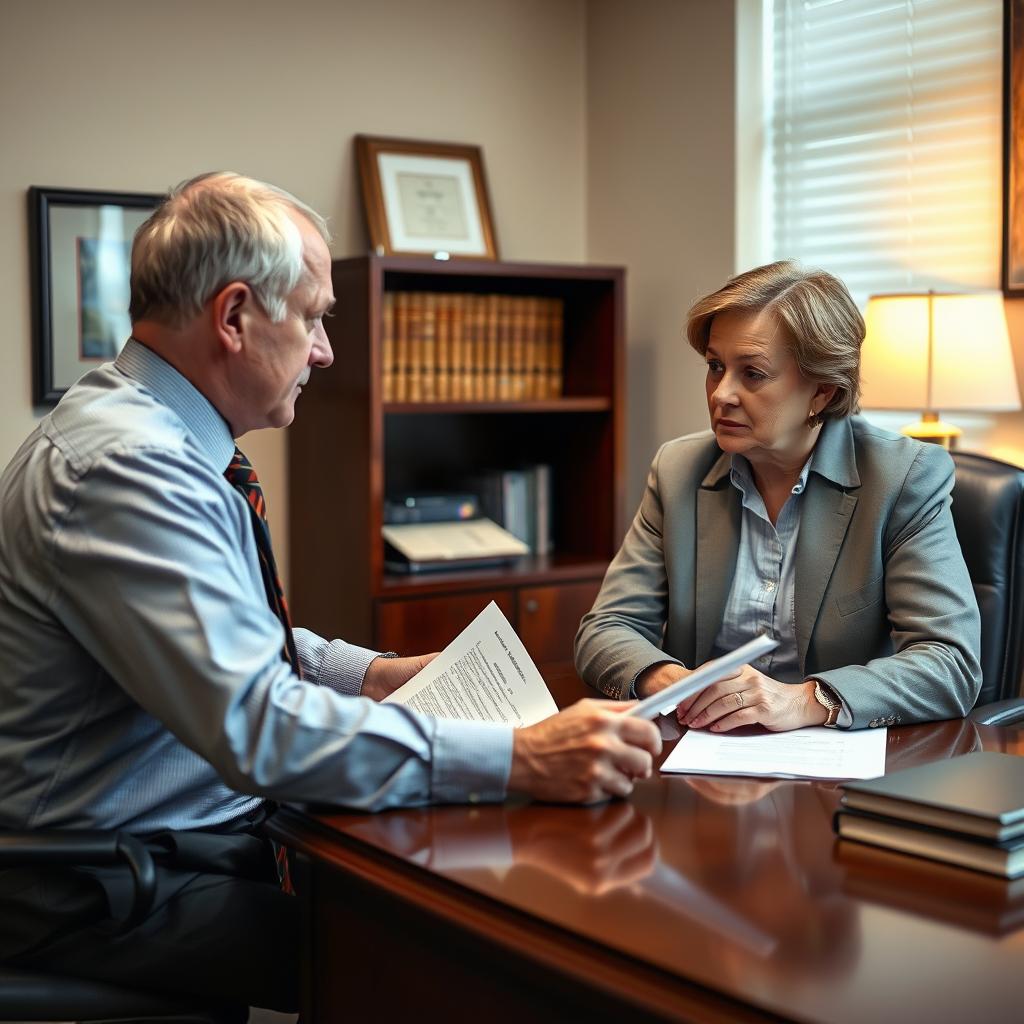
Guardianship Lawyer Schenectady County, NY
When a loved one can no longer manage their personal or financial affairs, a court-appointed guardian can step in to protect their well‑being and assets. In Schenectady County, guardianship proceedings are handled under Article 81 of the New York Mental Hygiene Law, a statutory framework designed to safeguard individuals whose functional capacity is diminished. Whether you are seeking appointment as a guardian for an aging parent, an adult child with special needs, or a minor whose parents are unable to serve, the process involves court filings, capacity assessments, and hearings before a Supreme Court judge. Mr. Sris, Owner and Founder of Law Offices Of SRIS, P.C., and the firm’s Of Counsel attorneys represent families throughout the Capital District, guiding them through each step of the proceeding with clarity and purpose. Reach Law Offices Of SRIS, P.C. at (888) 437‑7747 to request a consultation. Law Offices Of SRIS, P.C. – Advocacy Without Borders.
What Guardianship Means in Schenectady County, New York
In New York, the appointment of a guardian for an incapacitated person is governed by Article 81 of the Mental Hygiene Law. The court may designate a guardian of the person, a guardian of the property, or both—depending on the individual’s functional limitations. The proceeding is commenced in the Supreme Court of the county of residence; for Schenectady County residents, that is the Schenectady County Supreme Court at 612 State Street, Schenectady, NY 12305. A court evaluator is assigned to investigate the circumstances and report to the court. The judge makes a determination based on clear and convincing evidence that the individual is unable to provide for their personal needs or property management and that the appointment is necessary to prevent harm. When the individual is a minor, guardianship is typically handled under the Family Court Act or the Surrogate’s Court Procedure Act, depending on the purpose and the minor’s assets. In every scenario, the focus is on the least restrictive alternative that still provides adequate protection.
Schenectady County’s Supreme Court is part of the Fourth Judicial District. The proceedings are held on the court’s regular calendar. Families from Schenectady, Niskayuna, Rotterdam, Scotia, Duanesburg, and Glenville routinely appear in these matters. Because the process is both legal and deeply personal, having experienced counsel who understands the local court’s expectations can help the parties navigate the requirements efficiently. The firm’s attorneys are familiar with the forms, the physician affidavits or clinical evaluations that the court will review, and the procedural steps—from filing the verified petition and obtaining the order to show cause to the final hearing and the guardian’s ongoing reporting obligations.
How Mr. Sris and the Firm’s Of Counsel Attorneys Handle Guardianship Cases
Guardianship representation begins with a thorough consultation to assess the individual’s situation and identify the most appropriate legal avenue. If an Article 81 proceeding is necessary, the firm’s attorneys prepare the petition, gather medical evidence, and coordinate with the required court evaluator. They appear at the initial hearing where the judge reviews whether an emergency or temporary guardian should be appointed, and continue to represent the petitioner through the final determination and issuance of the commission. When contested, they advocate for their client’s position while remaining sensitive to the family dynamics that often underlie these disputes.
For minor guardianship matters, the process often involves Family Court, where the standard is the best interests of the child. The firm’s attorneys have experience presenting the factual basis for the proposed guardianship and addressing any objections from interested parties. After appointment, guardians must comply with ongoing reporting duties—financial accountings for property guardians and status reports for personal-needs guardians. The firm’s legal team helps guardians understand and fulfill these obligations, reducing the risk of court intervention down the road. Throughout the engagement, the attorneys keep clients informed of the case’s progress and respond promptly to questions.
About Mr. Sris and the Firm’s Of Counsel Attorneys
Mr. Sris is the Owner and Founder of Law Offices Of SRIS, P.C. A former prosecutor, he founded the firm in 1997 and has been practicing across multiple jurisdictions ever since. He testified before the Virginia House Courts of Justice Committee in support of 2019 HB 635 (chief patron Del. David Bulova). Mr. Sris is admitted in New York, Virginia, Maryland, the District of Columbia, and New Jersey, and brings a practical, problem‑solving approach to guardianship and family‑law matters.
The firm’s Of Counsel attorneys add additional depth to the team. Together, Mr. Sris and the firm’s Of Counsel attorneys bring extensive combined legal experience. Results may vary. in any particular matter. Every attorney is independent and of‑counsel to the firm, and all consultations are by appointment. The firm’s attorneys serve clients throughout Schenectady County, the Capital District, and across New York State from the firm’s New York location.
Frequently Asked Questions
What is an Article 81 guardianship in New York?
Article 81 of the New York Mental Hygiene Law is the statutory proceeding for appointing a guardian for an adult who is unable to manage their personal or financial affairs. The court may appoint a guardian of the person, a guardian of the property, or both. A court evaluator investigates the individual’s functional capacity, and the judge determines whether the appointment is the least restrictive way to address the person’s needs. The proceeding is filed in the county Supreme Court where the alleged incapacitated person resides.
Who can file a guardianship petition in Schenectady County?
A family member, friend, social services agency, or the person who allegedly needs a guardian may file a petition for guardianship in Schenectady County Supreme Court. Typically, a spouse, adult child, parent, or sibling initiates the matter. The petitioner must show that the individual is unable to meet their own needs and that guardianship is necessary to prevent harm. An attorney can help determine the appropriate type of petition and prepare the supporting documentation, including medical or clinical evidence of incapacity.
How does minor guardianship differ from adult guardianship in New York?
Minor guardianship is typically handled in Family Court or Surrogate’s Court and focuses on the care and custody of a child, while adult guardianship under Article 81 addresses the personal and property management of an incapacitated adult. For minors, the court considers the child’s best interests and may appoint a guardian when the parents are deceased, incapacitated, or unable to provide proper care. For adults, the standard is functional incapacity. Both require a court petition and a hearing, but the procedures and reporting obligations differ.
What does a guardian do after appointment?
A guardian of the person makes decisions about the individual’s living arrangements, healthcare, and daily needs, while a guardian of the property manages assets, pays bills, and accounts to the court. Both types of guardians must file periodic reports with the court—the guardian of the person submits a status report, and the guardian of the property files an inventory and annual financial accounts. The guardian acts as a fiduciary and must always act in the best interests of the incapacitated person.
How long does the guardianship process take in Schenectady County?
The timeline for a guardianship proceeding varies by case complexity and the court’s docket. An uncontested proceeding may move more quickly, while a contested or complex matter may take longer. Emergency interim relief is available when immediate action is needed. Mr. Sris and the firm’s Of Counsel attorneys work to move the case forward as efficiently as the court’s calendar permits.
Do I need a lawyer to become a guardian in New York?
You are not required to retain an attorney, but the guardianship process involves detailed pleadings, medical evidence, and court appearances that are difficult to navigate without legal guidance. An experienced attorney can ensure the petition is properly prepared, that the required notice and service are completed, and that your interests and the interests of the person in need of guardianship are protected. For guidance on your specific situation, reach Law Offices Of SRIS, P.C. at (888) 437‑7747.
Related practice areas in New York:
Family Law Lawyer New York County (Manhattan), NY |
Family Law Lawyer Kings County (Brooklyn), NY |
Family Law Lawyer Queens County (Queens), NY |
Family Law Lawyer Richmond County (Staten Island), NY |
Family Law Lawyer Nassau County (Long Island), NY
Attorney advertising. Prior results do not guarantee a similar outcome. Case results depend on a variety of factors unique to each case. Engaging Law Offices Of SRIS, P.C. Requires a signed engagement agreement. By appointment; consultations. Results may vary.
© 1997‑2026 Law Offices Of SRIS, P.C.