
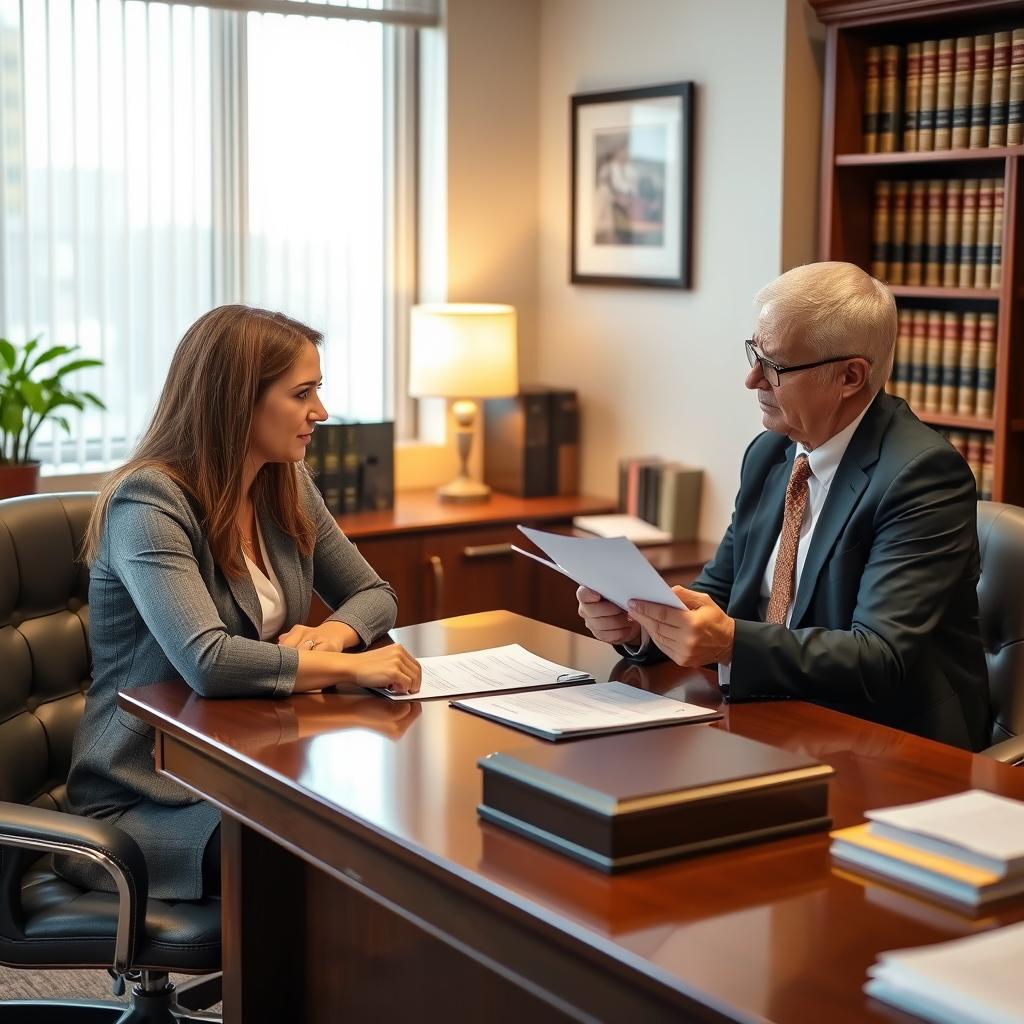
Child Custody Lawyer Near Me
Finding a child custody lawyer near you means locating an attorney who not only understands the law but also appears regularly in the courts where your case will be heard. Custody disputes involve the most personal aspects of family life—where a child lives, who makes important decisions, and how parenting time is structured. The outcome can shape a family for years. At Law Offices Of SRIS, P.C., Mr. Sris and the firm’s Of Counsel attorneys represent parents, guardians, and third parties in custody matters across five jurisdictions: Virginia, Maryland, the District of Columbia, New Jersey, and New York. The firm has practiced since 1997, and its attorneys are experienced in the procedural requirements and judicial expectations of each state’s family courts. Whether you are seeking an initial custody determination, a modification, or enforcement of an existing order, you need counsel who can present your case effectively. Reach our firm at (888) 437-7747 to request a consultation. Law Offices Of SRIS, P.C. – Advocacy Without Borders.
Understanding Child Custody Across Multiple Jurisdictions
Child custody law is statutory, and the governing statutes differ from state to state. Virginia’s custody determinations are governed by the trusted‑interests‑of‑the‑child standard set out in Va. Code § 20‑124.3, which requires the court to consider ten specific factors, including each parent’s age and mental condition, the child’s relationship with siblings and extended family, each parent’s willingness to support a relationship with the other parent, and any history of family abuse. Maryland applies a comparable best‑interests analysis, weighing factors such as the fitness of each parent, the child’s wishes if of sufficient age, and the stability of the home environment. The District of Columbia, New Jersey, and New York each have their own statutory schemes, but all place the child’s welfare at the center of the inquiry.
A custody case may be filed as part of a divorce proceeding or as a standalone petition, depending on the circumstances and the jurisdiction. In Virginia, standalone custody and support cases are heard in the Juvenile and Domestic Relations District Court, while custody within a divorce is handled by the Circuit Court. In Maryland, contested custody matters proceed in the Circuit Court. The procedural landscape can be confusing for a parent who is not familiar with the system. Mr. Sris and the firm’s Of Counsel attorneys have appeared in family courts throughout Northern Virginia, the Washington, D.C. Metropolitan area, and beyond, and they work to guide clients through each stage of the process.
How Mr. Sris and the Firm’s Of Counsel Attorneys Handle Child Custody Cases
Every custody case begins with a thorough review of the client’s goals, the child’s circumstances, and the evidence available. The firm’s attorneys work to gather relevant documentation—including school records, medical records, and communication between the parties—and identify witnesses who can speak to the parent‑child relationship. When the case is contested, the attorneys prepare for a hearing at which the judge will weigh the statutory factors. The firm’s approach emphasizes preparation and clear presentation. The attorneys work to ensure that the court has a complete picture of the family’s situation so that a decision can be made that serves the child’s best interests.
In many cases, resolution can be reached through negotiation or mediation without the need for a trial. The firm’s attorneys work to explore settlement opportunities that protect the client’s rights while reducing the emotional and financial cost of litigation. When settlement is not possible, they are prepared to present the case at trial. Throughout the process, the attorneys stay in communication with the client so that decisions are made with a full understanding of the risks and benefits. Because custody orders are modifiable based on a material change in circumstances, the firm also assists clients with post‑decree modifications and enforcement actions when the other parent fails to comply with the court’s order.
Mr. Sris and the firm’s Of Counsel attorneys bring extensive combined legal experience to custody matters. Results may vary. Every case is handled with attention to the unique facts and the governing law of the jurisdiction.
About Mr. Sris and the Firm’s Of Counsel Attorneys
Mr. Sris, Owner and Founder of Law Offices Of SRIS, P.C., established the firm in 1997. A former prosecutor, he has practiced across Virginia, Maryland, the District of Columbia, New Jersey, and New York for more than twenty‑five years. Mr. Sris testified before the Virginia House Courts of Justice Committee in support of 2019 HB 635 (chief patron Del. David Bulova). His background includes experience with complex family law matters, and he leads a team of Of Counsel attorneys who contribute extensive collective experience in custody litigation. The firm’s Of Counsel attorneys are independent practitioners who work collaboratively with Mr. Sris on the cases they handle. Together, they serve families throughout the firm’s five‑jurisdiction footprint.
The firm’s attorneys are experienced in appearing before the courts that decide custody cases in each state: Juvenile and Domestic Relations District Courts and Circuit Courts in Virginia; Circuit Courts in Maryland; the Family Court of the Superior Court in the District of Columbia; the Family Part of the Chancery Division in New Jersey; and the Family Court or Supreme Court in New York. Clients receive guidance that is tailored to the specific procedural rules and judicial practices of the jurisdiction where their case is pending.
Frequently Asked Questions
How do courts decide child custody?
Courts decide child custody based on the best interests of the child, weighing statutory factors such as each parent’s health, the child’s relationships, and any history of abuse. In Virginia, the court considers ten factors under Va. Code § 20‑124.3; other states apply similar standards. The judge may consider the child’s preference if the child is mature enough to express one. The goal is to establish an arrangement that supports the child’s physical and emotional well‑being. While joint custody is often favored, the final decision depends on the evidence presented.
Can I relocate with my child if I have custody?
Relocation with a child generally requires either the other parent’s consent or court approval, especially if the move would significantly interfere with the existing parenting time schedule. In Virginia, a parent intending to relocate must give at least thirty days’ advance written notice to the court and the other party under Va. Code § 20‑124.5, unless the court excuses notice for good cause. Other jurisdictions have similar notice requirements. If the relocation is contested, the court will hold a hearing to determine whether the move serves the child’s best interests.
Do I need a lawyer for a child custody case?
You are not legally required to have a lawyer, but custody cases involve complex procedural rules, evidentiary requirements, and statutory factors that are difficult for a parent to navigate alone. An attorney can help you present evidence effectively, comply with court deadlines, and negotiate a parenting plan that protects your relationship with your child. The emotional stakes are high, and mistakes in procedure or presentation can affect the outcome. For guidance on your specific situation, reach Law Offices Of SRIS, P.C. at (888) 437‑7747.
What is the difference between legal custody and physical custody?
Legal custody refers to the right to make major decisions about the child’s upbringing—such as education, health care, and religious training—while physical custody refers to where the child lives and the day‑to‑day care the child receives. Courts may award joint legal custody even when one parent has primary physical custody. Joint physical custody allows the child to spend significant time with both parents. The specific terms depend on the child’s needs and the parents’ ability to cooperate.
How can I change an existing custody order?
To modify a custody order, you generally must show a material change in circumstances since the last order and prove that the proposed change serves the child’s best interests. Common grounds for modification include a parent’s relocation, a change in the child’s needs, or concerns about the other parent’s fitness. The process involves filing a motion with the court that issued the original order and presenting evidence at a hearing. An attorney can evaluate whether your situation meets the legal standard for modification.
What should I bring to a consultation with a child custody lawyer?
Bring any existing court orders, a timeline of relevant events, records of communication with the other parent, and documents that support your role in the child’s life, such as school records and medical records. Also prepare a list of questions and a summary of your goals for custody and visitation. The consultation is an opportunity for the lawyer to understand your situation and for you to evaluate whether the lawyer is a good fit. For a consultation, reach Mr. Sris and the firm’s Of Counsel attorneys at (888) 437‑7747.
Virginia Child Custody Lawyer | Maryland Child Custody Lawyer | Washington DC Child Custody Lawyer | New Jersey Child Custody Lawyer | New York Child Custody Lawyer
Primary sources: Va. Code § 20‑124.3 – Custody Best Interests | Virginia Judicial System | Maryland Family Law – Custody
Attorney advertising. Prior results do not guarantee a similar outcome. Case results depend on a variety of factors unique to each case. Results may vary.