
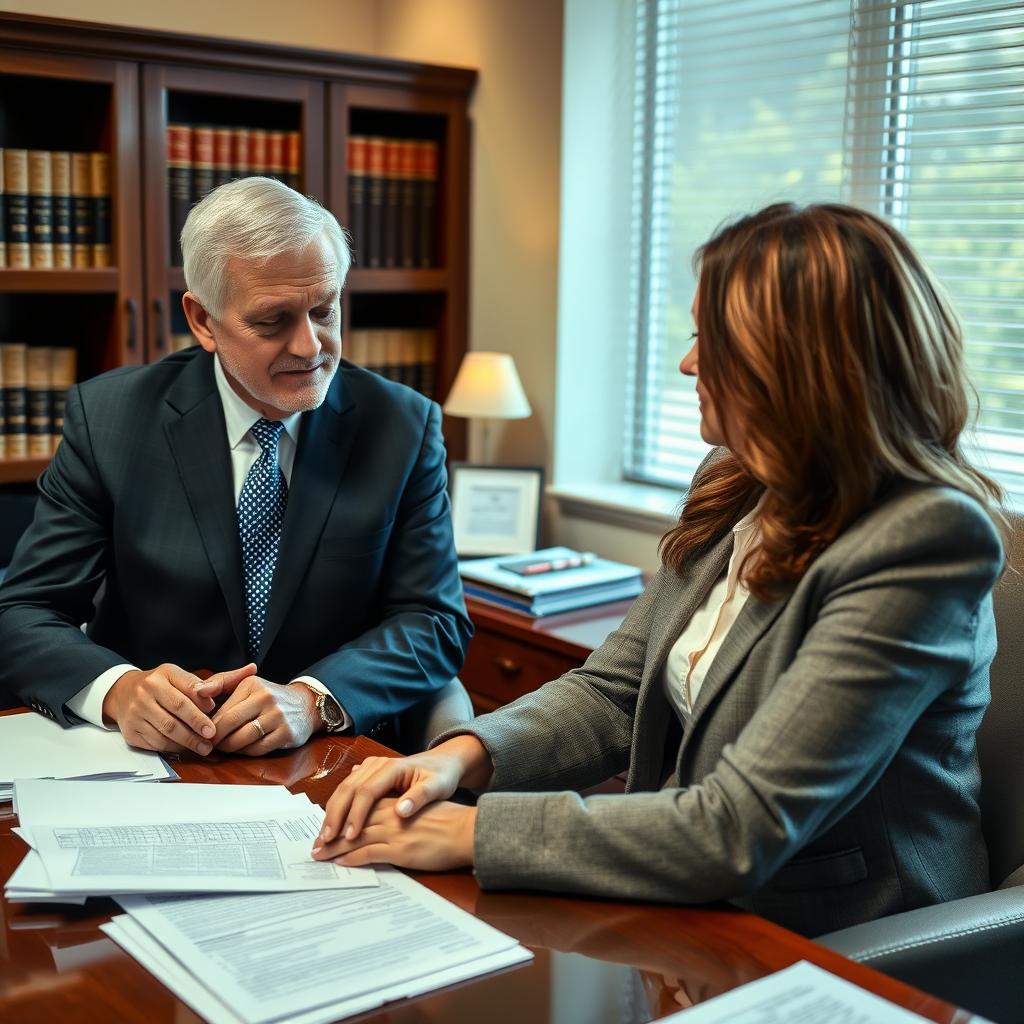
Paternity Lawyer Westchester County, NY
Paternity is the legal determination of a child’s father. When a child is born to unmarried parents in New York, parentage is not automatic for the father. Establishing paternity creates fundamental legal rights and responsibilities — for the child, the mother, and the father — including custody, visitation, child support, inheritance, and access to family medical history. In Westchester County, these matters are heard in the Westchester County Family Court, which has a dedicated process for paternity petitions. Law Offices Of SRIS, P.C. represents parties in paternity proceedings throughout the Hudson Valley, providing experienced guidance from filing through final order. Reach our firm at (888) 437-7747 to request a consultation.
What Paternity Means in Westchester County
In New York, paternity is the legal acknowledgment that a man is a child’s father. An unmarried mother and father may voluntarily establish parentage by signing an Acknowledgment of Paternity form, typically at the hospital after birth. If the parents do not sign this form, or if paternity is disputed, the matter may be resolved through a court proceeding filed in the Family Court of the county where the child resides. In Westchester County, the Westchester County Family Court, located in White Plains, handles paternity petitions. The court may order genetic testing, and if the test establishes a threshold probability of parentage, the court will issue an Order of Filiation declaring the legal father. Once paternity is established, the court gains authority to address custody, visitation, and child support — all of which are governed by New York’s Domestic Relations Law (DRL § 240) and the Family Court Act. A father’s rights to seek parenting time or shared decision-making flow from this foundational step, and a mother may seek financial support for the child. The standard for custody and visitation is the best interests of the child, taking into account the child’s physical and emotional well-being, the relationship with each parent, and each parent’s ability to provide a stable home.
Because paternity orders directly affect a child’s future and each parent’s obligations, the proceeding carries significant weight. The Family Court in Westchester County follows the procedures set out in Article 5 of the Family Court Act, which provides for the appointment of an attorney for the child in certain circumstances, and encourages resolution through negotiation or mediation when possible. Parties should be aware that an established paternity finding cannot be undone lightly; it remains in effect unless successfully challenged through a petition to vacate, which has a limited statutory window. Working with an experienced attorney can help ensure that the process respects each party’s rights and that the outcome serves the child’s best interests.
How Mr. Sris and the Firm’s Of Counsel Attorneys Handle Paternity Cases
Law Offices Of SRIS, P.C. approaches paternity matters with an understanding of both the legal and personal dimensions involved. When a parent contacts us, we begin by listening to the facts: whether there is a dispute about parentage, what connection the alleged father has with the child, and what outcome the client seeks. Mr. Sris and the firm’s Of Counsel attorneys then assess the case under New York’s Family Court Act and Domestic Relations Law. If voluntary acknowledgment is possible, we help the parties complete the Acknowledgment of Paternity form with full awareness of its legal consequences. If the matter requires court intervention, we prepare and file a paternity petition in the Westchester County Family Court and represent the client at all hearings. The court may order genetic marker testing through a laboratory approved by the New York State Department of Health. We assist clients in navigating the testing process, ensuring that the sample collection is properly conducted and that the results are admitted into evidence. After the test results, the parties can negotiate a settlement — resolving custody, parenting time, and support in a single agreement — or proceed to a fact-finding hearing where the court will issue an Order of Filiation and address ancillary relief.
The timeline of a paternity case depends on court availability and whether genetic testing is necessary. We work to move the process forward efficiently while keeping clients informed of each step. Throughout, we emphasize practical solutions that minimize conflict and focus on the child’s welfare. While many paternity cases resolve by consent or after the test results, if a trial is required, Mr. Sris and the firm’s Of Counsel attorneys are prepared to present evidence and examine witnesses to protect the client’s legal interests. We do not promise a particular outcome, but we bring substantial experience in New York family law to every matter we handle.
About Mr. Sris and the Firm’s Of Counsel Attorneys
Mr. Sris, Owner and Founder of Law Offices Of SRIS, P.C., has practiced law since 1997 and is admitted in Virginia, Maryland, the District of Columbia, New Jersey, and New York. A former prosecutor, Mr. Sris testified before the Virginia House Courts of Justice Committee in support of 2019 HB 635 (chief patron Del. David Bulova). He leads the firm’s family law practice, which serves clients in Westchester County and across the broader New York region. Mr. Sris is supported by the firm’s Of Counsel attorneys, who are experienced multi‑state practitioners concentrating their work in family law and related fields. Together, Mr. Sris and the firm’s Of Counsel attorneys bring extensive combined legal experience to paternity and parentage matters, working to achieve resolutions that protect families’ long‑term interests. Results may vary.
Frequently Asked Questions
What is legal paternity and why does it matter?
Legal paternity is the formal declaration that a man is a child’s father, creating enforceable rights and duties. Once paternity is established, the father can seek custody or visitation, and the mother can obtain a child support order. The child gains inheritance rights, access to family medical history, and eligibility for benefits such as Social Security or health insurance through the father. Without a legal finding of paternity, these rights are not automatically available, and the father has no legal standing to participate in major decisions regarding the child’s upbringing. Contact Law Offices Of SRIS, P.C. at (888) 437-7747 for a consultation.
How do I establish paternity in Westchester County?
Paternity in Westchester County can be established voluntarily by signing an Acknowledgment of Paternity or through a court‑ordered proceeding in the Westchester County Family Court. The voluntary acknowledgment is typically signed at the hospital soon after birth, but it may also be signed at the local registrar or the Department of Social Services. If the parents do not agree, a party may file a paternity petition in Family Court. The court may order genetic testing; if the test shows at least a 95‑percent probability of parentage, the court will issue an Order of Filiation. From that point, the court can also decide custody, parenting time, and child support. For guidance on your specific situation, reach our firm at (888) 437-7747.
Can a father seek custody or visitation if paternity is established?
Yes, once paternity is legally established, a father may petition the Westchester County Family Court for custody or parenting time. The court will decide these matters based on the best interests of the child, evaluating factors such as the parents’ ability to provide a stable home, the child’s relationship with each parent, and the willingness of each parent to encourage the child’s relationship with the other parent. The father’s household situation, work schedule, and history of involvement with the child are weighed. Even if the child has lived primarily with the mother, the father can seek a parenting plan that suits the child’s needs. To discuss the details of your matter, contact Law Offices Of SRIS, P.C. at (888) 437-7747.
How is child support determined after paternity is established?
After an Order of Filiation, child support is calculated under the New York Child Support Standards Act, using a formula based on the parents’ combined income. The basic child support percentage is 17% for one child, 25% for two, 29% for three, 31% for four children, and 35% for five or more children — applied to combined parental income up to the statutory cap (currently, though the court may use income above the cap if appropriate). Each parent’s share is proportional to their income. The court may also order payment for health insurance, educational expenses, and child care. A parent receiving public assistance may have the support obligation assigned to the Department of Social Services. For a consultation, reach Mr. Sris and the firm’s Of Counsel attorneys at (888) 437-7747.
What happens if the alleged father refuses genetic testing?
If a party named in a paternity petition refuses to submit to court‑ordered genetic testing, the Westchester County Family Court may draw an adverse inference and enter a finding of paternity by default. The court will typically issue an order directing the party to appear for testing; failure to comply can result in the court deciding the case based on the evidence presented. In some circumstances, the court may also hold the non‑complying party in contempt. An experienced attorney can advise on how to protect parental rights when the other side is uncooperative. To discuss your options, contact our firm at (888) 437-7747.
Do I need a lawyer for a paternity case?
You are not legally required to have a lawyer for a paternity case in Westchester County, but the involvement of an attorney can be crucial to protecting your rights. Paternity proceedings have long‑term consequences for custody, support, and the parent‑child relationship. The Family Court process involves filing petitions, understanding evidentiary rules, and making legal arguments that a self‑represented party may find difficult. Mr. Sris and the firm’s Of Counsel attorneys have experience with New York’s Family Court Act and the procedural requirements specific to Westchester County Family Court. For a consultation, call (888) 437-7747.
Related family law pages:
New York County Family Law Lawyer
Kings County Family Law Lawyer
Queens County Family Law Lawyer
Richmond County Family Law Lawyer
Nassau County Family Law Lawyer
Official primary sources:
Westchester County Family Court
New York Domestic Relations Law
New York Family Court Act
Attorney advertising. Prior results do not guarantee a similar outcome.
Case results depend on a variety of factors unique to each case.
Results may vary.