
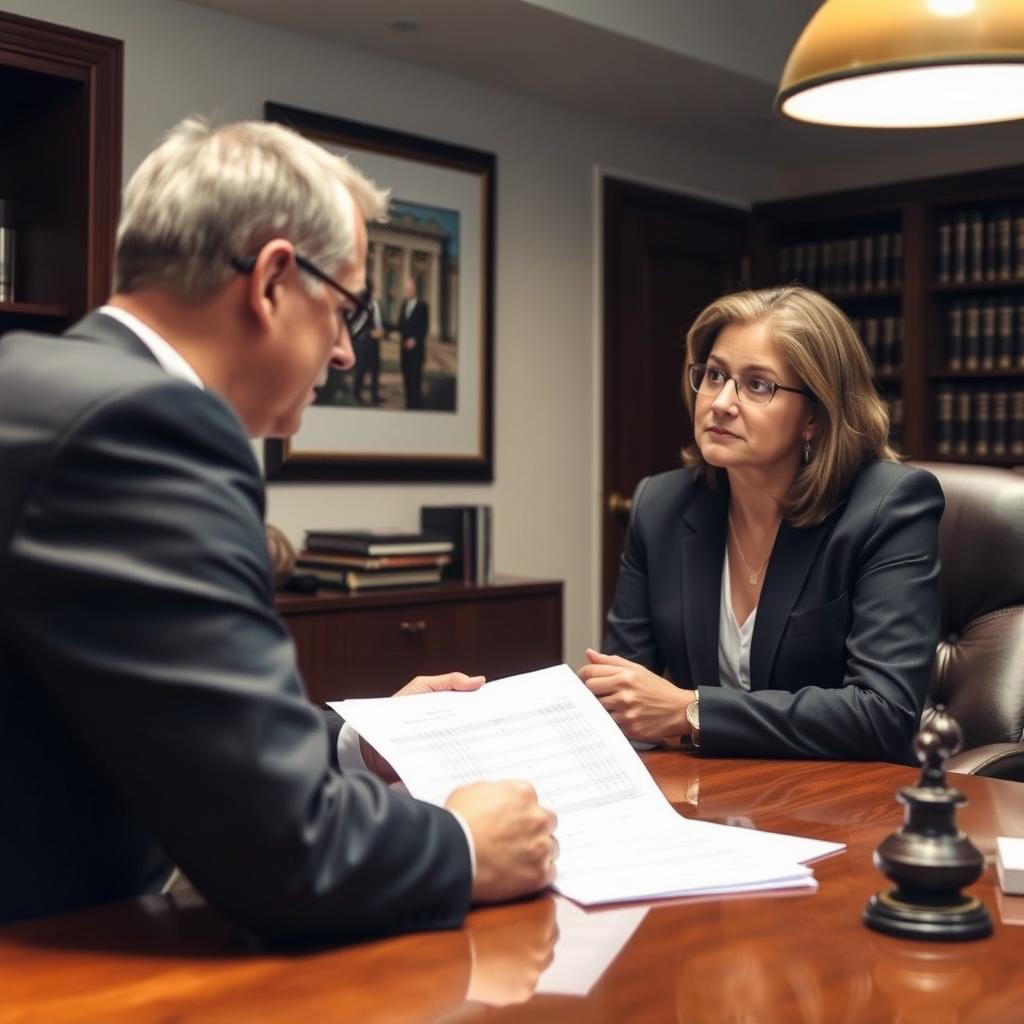
Visitation Lawyer Livingston County, NY
When parents separate or divorce, disagreements over visitation can place children in the middle of a legal dispute. In Livingston County, New York, visitation matters—often called parenting time—are decided by the Livingston County Family Court under the New York Domestic Relations Law and the Family Court Act. Law Offices Of SRIS, P.C. represents parents in Geneseo, Dansville, Mount Morris, Avon, Caledonia, and the surrounding Finger Lakes communities. Whether you are seeking an initial visitation order, need to enforce an existing schedule, or must modify a prior arrangement because circumstances have changed, Mr. Sris and the firm’s Of Counsel attorneys work to protect your relationship with your child. The court evaluates each case based on the best interests of the child standard, weighing factors such as each parent’s ability to encourage a relationship with the other parent, any history of domestic violence, and the child’s own preferences when appropriate. Resolving a visitation dispute may involve negotiation, mediation, or litigation in Family Court. For a consultation, call (888) 437-7747.
What Visitation Means in Livingston County, New York
Visitation refers to the legally defined schedule that allows the noncustodial parent to spend time with a child. In New York, the Family Court has jurisdiction to enter visitation orders, while the Supreme Court handles divorce and equitable distribution matters. The Livingston County Family Court, located at 2 Court Street, Geneseo, NY 14454, hears petitions for visitation, custody, and support. The court does not use a one-size-fits-all formula; instead, it applies the trusted‑interests standard set out in the New York Domestic Relations Law § 240 and the Family Court Act. That standard directs the judge to consider the child’s developmental needs, the capacity of each parent to foster a positive relationship with the other parent, any history of abuse or neglect, and other relevant evidence.
Livingston County lies within the 7th Judicial District of New York. The family law process here follows statewide procedure, but local practice may affect how quickly a matter moves through the system. While no specific timeline can be past results do not guarantee a similar outcome, the court schedules conferences and hearings based on its calendar. Under New York law, child support is also often addressed together with visitation. The statutory formula calculates support as a percentage of combined parental income: 17% for one child, 25% for two, 29% for three, 31% for four, and 35% for five or more children, applied to combined income up to (with discretionary adjustments above that threshold). Parents who cannot agree on a visitation plan may need to attend mediation or a court‑ordered settlement conference before a hearing. The firm’s New York location serves clients throughout the Finger Lakes region, providing guidance through each stage of the proceeding.
How Mr. Sris and the Firm’s Of Counsel Attorneys Handle Visitation Cases
When you engage Law Offices Of SRIS, P.C., Mr. Sris and the firm’s Of Counsel attorneys begin by listening to your concerns and explaining the legal standards that will apply to your situation. We gather relevant documents—existing court orders, school records, communications between the parents—and assess the strengths of your position. In many instances, parents reach an agreement through negotiation or mediation, avoiding contested litigation. If an agreement cannot be reached, we file the appropriate petition or motion in the Livingston County Family Court and prepare your case for a hearing.
Our approach emphasizes the child’s stability and the parent‑child relationship. We work to present evidence that supports a schedule that serves the child’s well‑being. When enforcement or modification becomes necessary, we explain the statutory grounds and the proof the court will require. No attorney can promise a result, but we dedicate our efforts to achieving a practical resolution. Throughout the process, we remain available to answer questions and address developments. The firm routinely handles visitation disputes that involve relocation, parental alienation, substance abuse concerns, or interstate jurisdictional issues, drawing on experience in New York family law and the firm’s multi‑state resources.
About Mr. Sris and the Firm’s Of Counsel Attorneys
Mr. Sris, Owner and Founder of Law Offices Of SRIS, P.C., is a former prosecutor who has practiced family law since the firm’s inception in 1997. He is admitted to the bars of Virginia, Maryland, the District of Columbia, New Jersey, and New York. Mr. Sris testified before the Virginia House Courts of Justice Committee in support of 2019 HB 635 (chief patron Del. David Bulova), a measure addressing equitable distribution in divorce. The firm’s Of Counsel attorneys are experienced litigators who handle family matters throughout New York. Mr. Sris and the firm’s Of Counsel attorneys bring extensive combined legal experience. Results may vary.
Clients benefit from the collective knowledge of attorneys who appear in Livingston County Family Court and understand the local procedural expectations. A consultation is an opportunity to discuss your situation, receive an honest assessment, and determine the next steps.
Frequently Asked Questions
What is visitation in a New York family law case?
Visitation, also called parenting time, is the schedule established by a court order that governs when a noncustodial parent spends time with a child. The court’s primary concern is the best interests of the child, a standard codified in New York Domestic Relations Law § 240. Visitation may be unsupervised, supervised if safety concerns exist, or virtual in some circumstances. The order will typically specify the days, times, and location of exchanges. Parents are expected to follow the schedule, and failure to do so can lead to enforcement proceedings. If you need an initial order, the Family Court will consider evidence such as the child’s relationship with each parent and any history of domestic violence.
How does a court determine visitation rights in Livingston County?
The Livingston County Family Court applies the trusted‑interests‑of‑the‑child standard after receiving testimony, reviewing documents, and considering the recommendation of any attorney for the child or forensic evaluator. The judge will evaluate factors such as each parent’s willingness to encourage a relationship with the other parent, the physical and emotional needs of the child, and any history of abuse or neglect. The court may also consider the child’s stated preference if the child is of sufficient age and maturity. Often the court encourages parents to reach a stipulated agreement; if they cannot, a hearing will be held and the judge will issue a written order. Our attorneys help clients prepare evidence and present their case effectively during this process.
Can a visitation order be modified in New York?
Yes, a visitation order can be modified when there has been a significant change in circumstances that affects the child’s welfare. Common reasons for modification include a parent’s relocation, a substantial change in a parent’s work schedule, concerns about a parent’s fitness, or the child’s changing needs as they grow older. The party seeking the modification must file a petition in the Family Court that issued the original order and demonstrate why the change is in the child’s best interests. Temporary changes may be agreed upon by the parents, but a permanent alteration requires court approval. Our attorneys help clients evaluate whether the facts support a modification and, if so, prepare the necessary filings and evidence.
What happens if a parent violates a visitation order?
A parent who willfully fails to comply with a visitation order may face enforcement proceedings, which can result in make‑up parenting time, monetary sanctions, or a change in custody. The aggrieved parent can file a violation petition in the Family Court. The court will then hold a hearing to determine whether the violation occurred and whether it was willful. If the court finds a willful violation, it has a range of remedies, including ordering compensatory visitation time, requiring the violating parent to pay the other parent’s legal fees, or modifying the underlying order. In extreme cases, a pattern of interference can lead to a change in custody. Our firm represents clients seeking to enforce their rights and hold the non‑compliant parent accountable.
Do I need a lawyer for a visitation case in Livingston County?
You are not required to have an attorney, but legal representation helps ensure your rights are protected and that the court receives a complete picture of your case. Visitation disputes can become emotionally charged, and the procedural rules of the Family Court can be challenging for a person without legal training. An attorney can gather evidence, question witnesses, and present legal arguments that frame the issues in a way the court understands. Additionally, the other parent may be represented, putting you at a disadvantage if you proceed alone. Mr. Sris and the firm’s Of Counsel attorneys are available to guide you through the process, from filing the initial petition through any hearings or settlement conferences. For a consultation, call (888) 437-7747.
How does the visitation process work in Livingston County Family Court?
The process begins with filing a petition for visitation; after the petition is served on the other parent, the court schedules an initial conference, which may lead to a hearing if no agreement is reached. At the first appearance, the judge will often encourage the parties to work out a temporary schedule and may refer them to mediation. If the matter cannot be resolved, the court will set a hearing date. At the hearing, both sides present evidence and testimony. Afterward, the judge issues a written order detailing the visitation schedule and any conditions, such as supervised visitation or a parenting plan. Missing a court date can have serious consequences. Our New York location handles filings and appearances in the Livingston County Family Court; we keep clients informed about deadlines and what to expect at each stage.
Related areas served: Family law attorney in Manhattan · Family law attorney in Brooklyn · Family law attorney in Nassau County
Resources: Livingston County Supreme and Family Court (nycourts.gov) · New York Domestic Relations Law (nysenate.gov) · New York Family Court Act (nysenate.gov)
Attorney advertising. Prior results do not guarantee a similar outcome. Case results depend on a variety of factors unique to each case. Results may vary.